Skip to content
The Fount of Knowledge
Explore
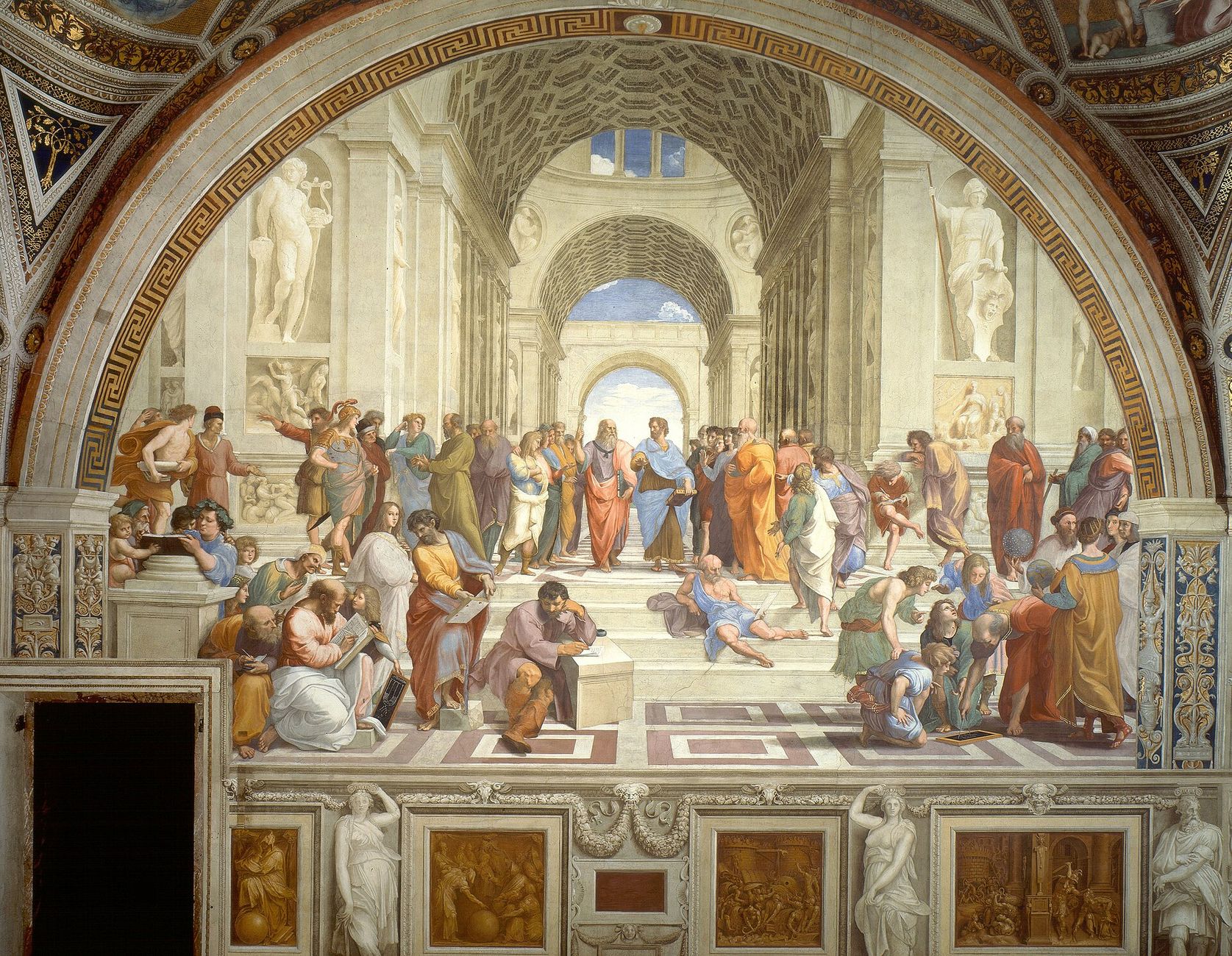
Raphael’s School of Athens, with philosophers gathered beneath classical arches
Raphael, The School of Athens, 1509–1511. Vatican Palace. Public domain.

A growing library of sacred texts and enduring ideas

Old words.
New understanding.

Read across traditions with the source in view. Begin with a small, carefully attributed collection of Jewish and Christian texts and classical philosophy, then follow the connections.

Original texts. Clear context. Editions worth keeping.

The Clear Text Editions bookshelf

Read something remarkable.

The complete work, with the context to understand it. Explore the sources, see the differences, find your next book.

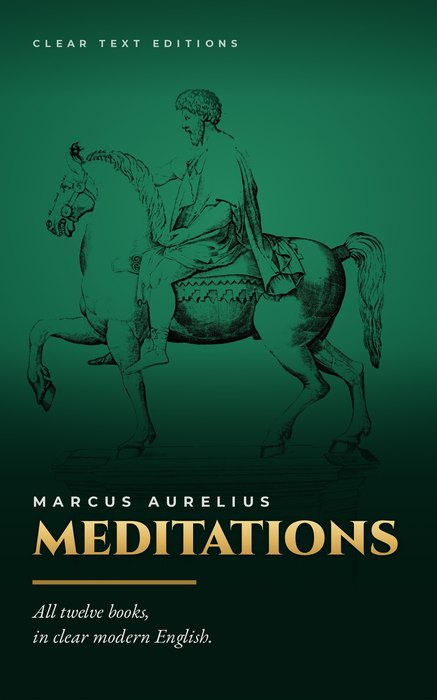
Meditations, Clear Text Editions book cover

Classical philosophy

Meditations

Marcus Aurelius

  • All twelve books, with the standard book and section numbering.
  • A modern rendering of George Long's 1862 translation, with its source and limits stated.
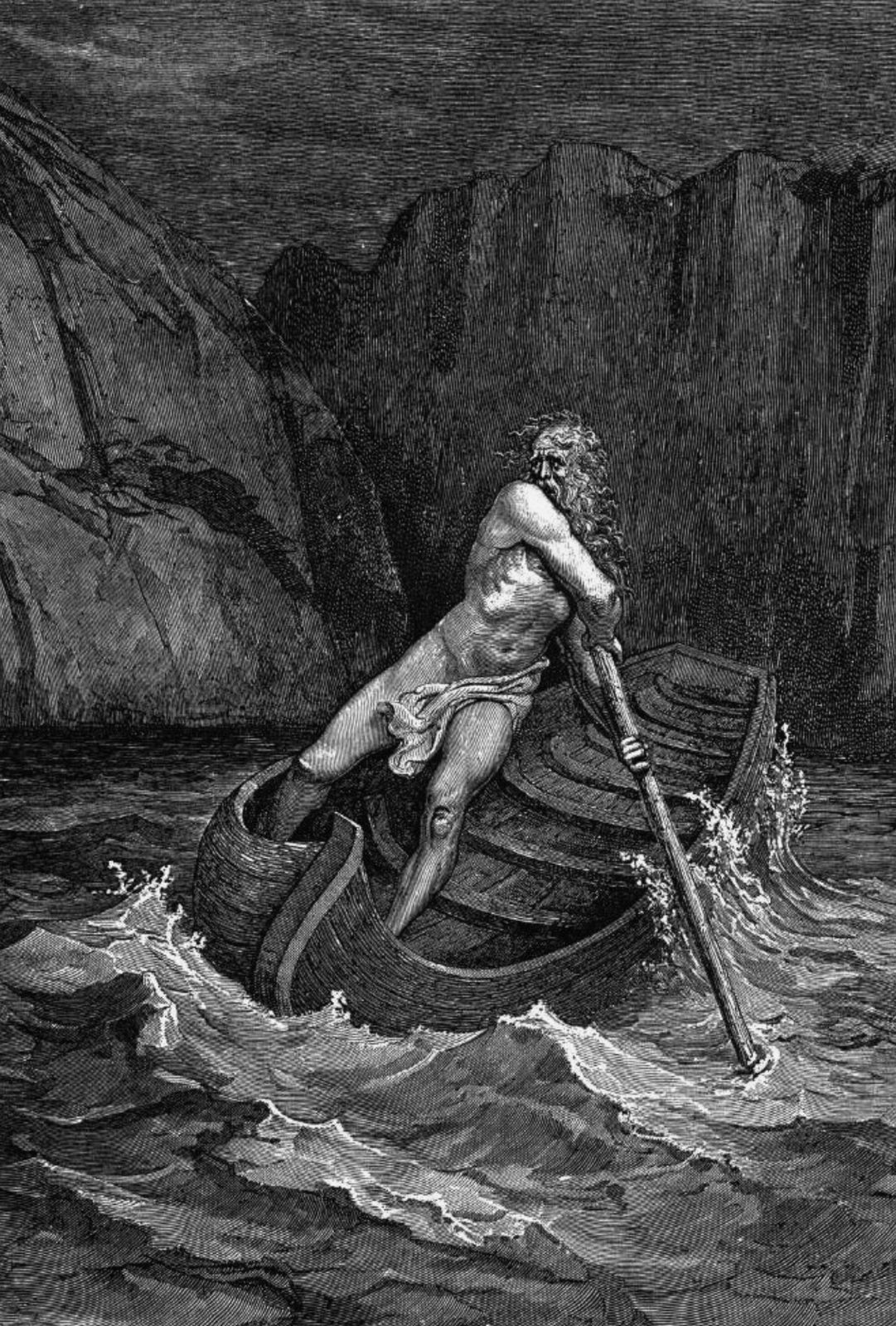
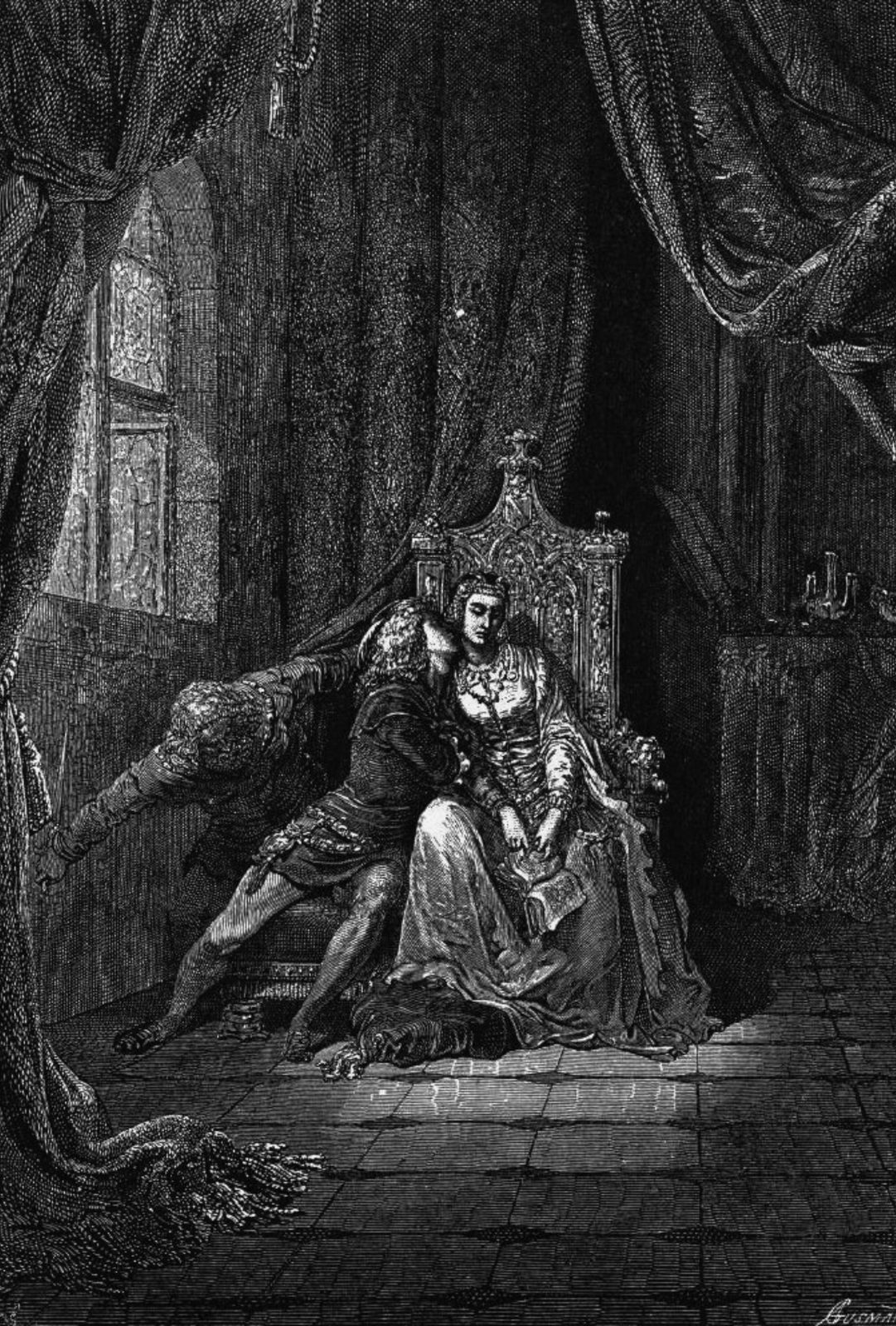
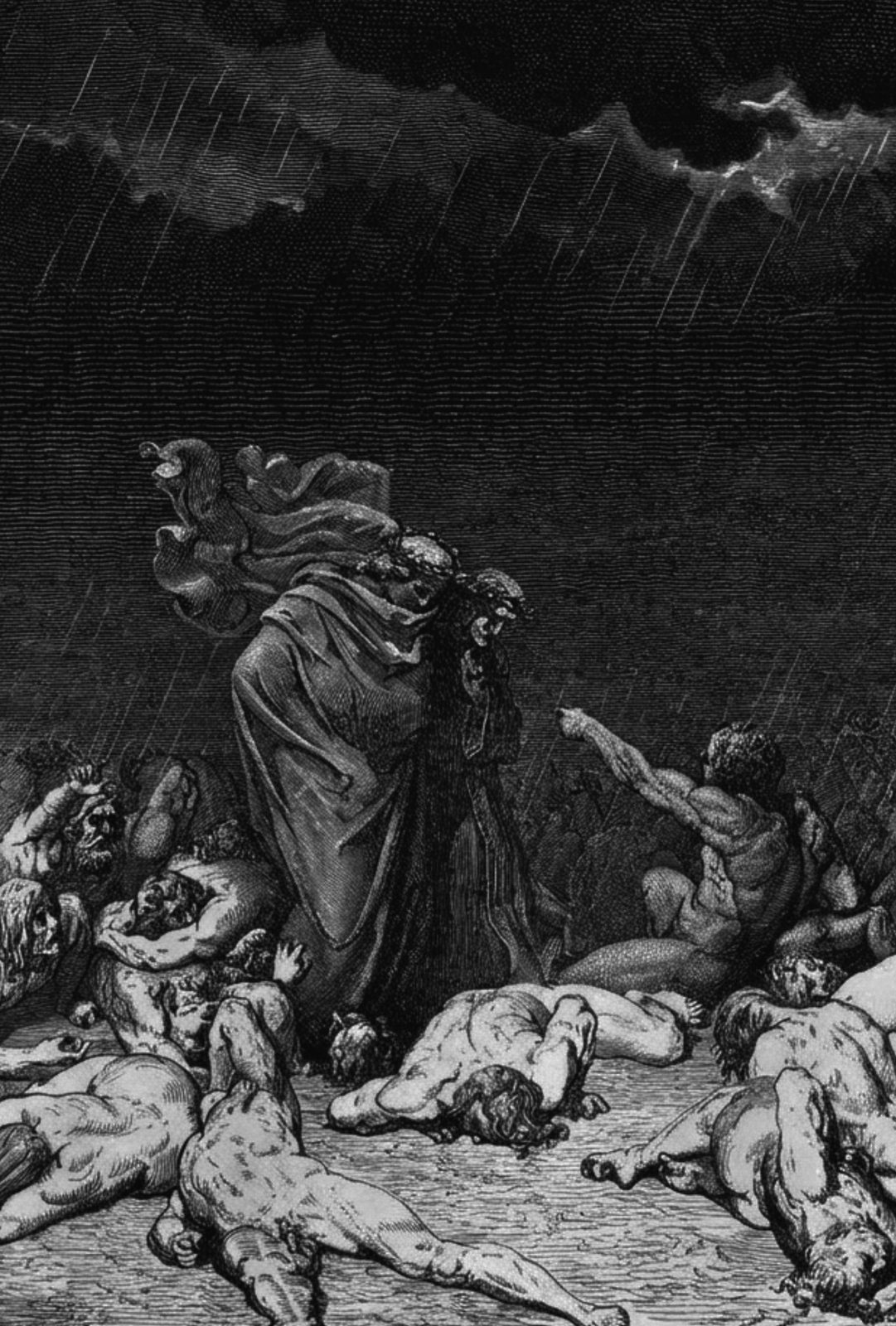
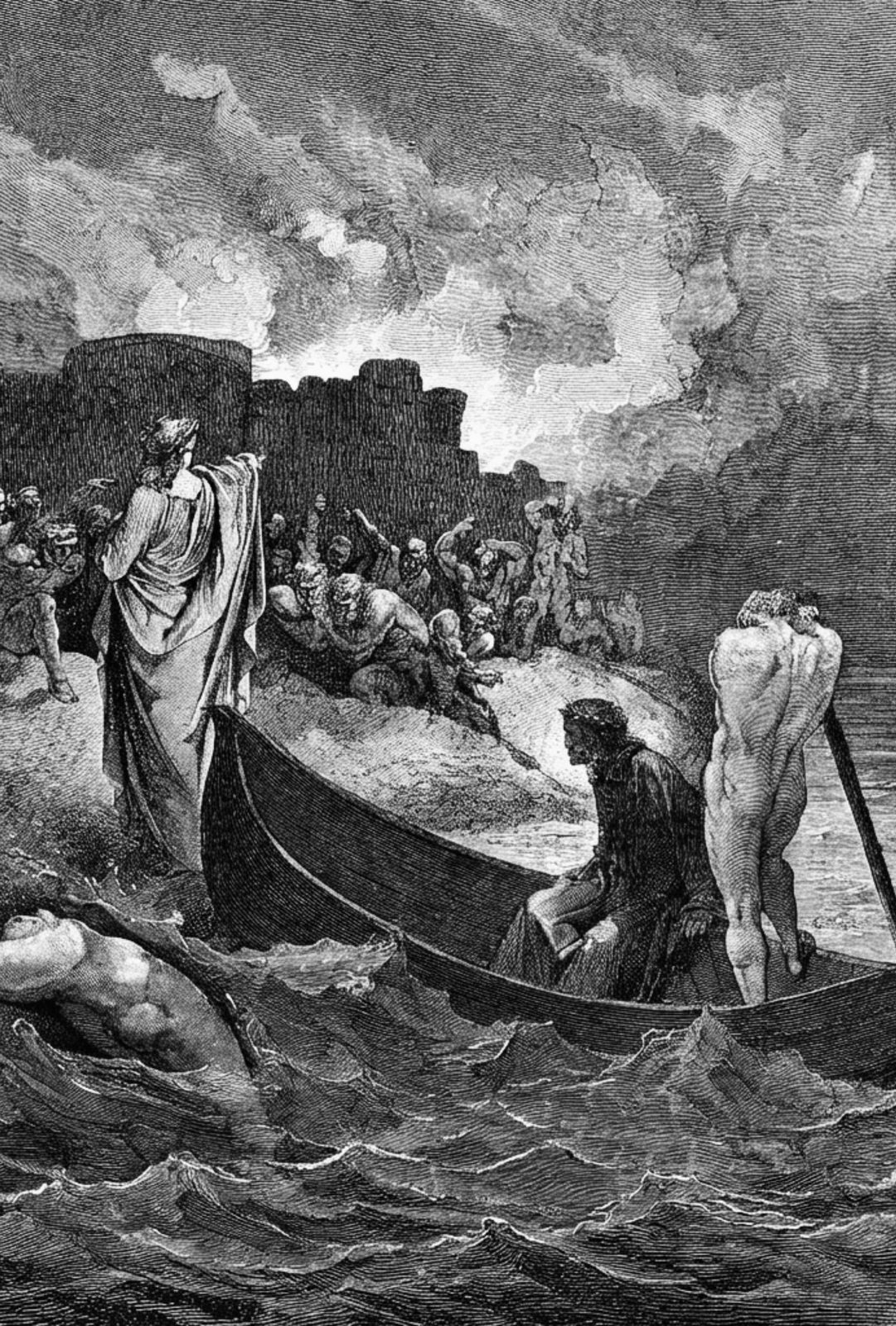
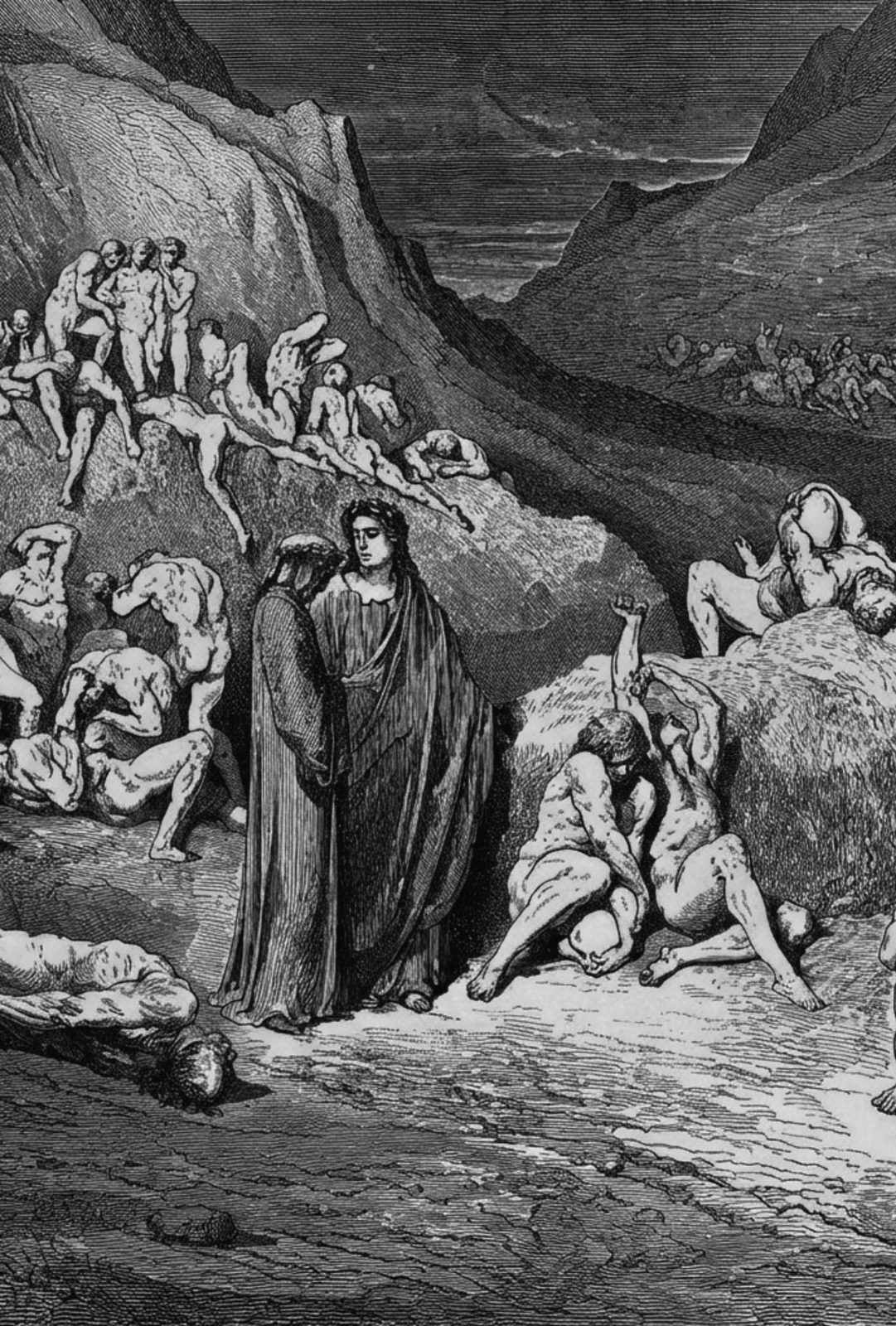
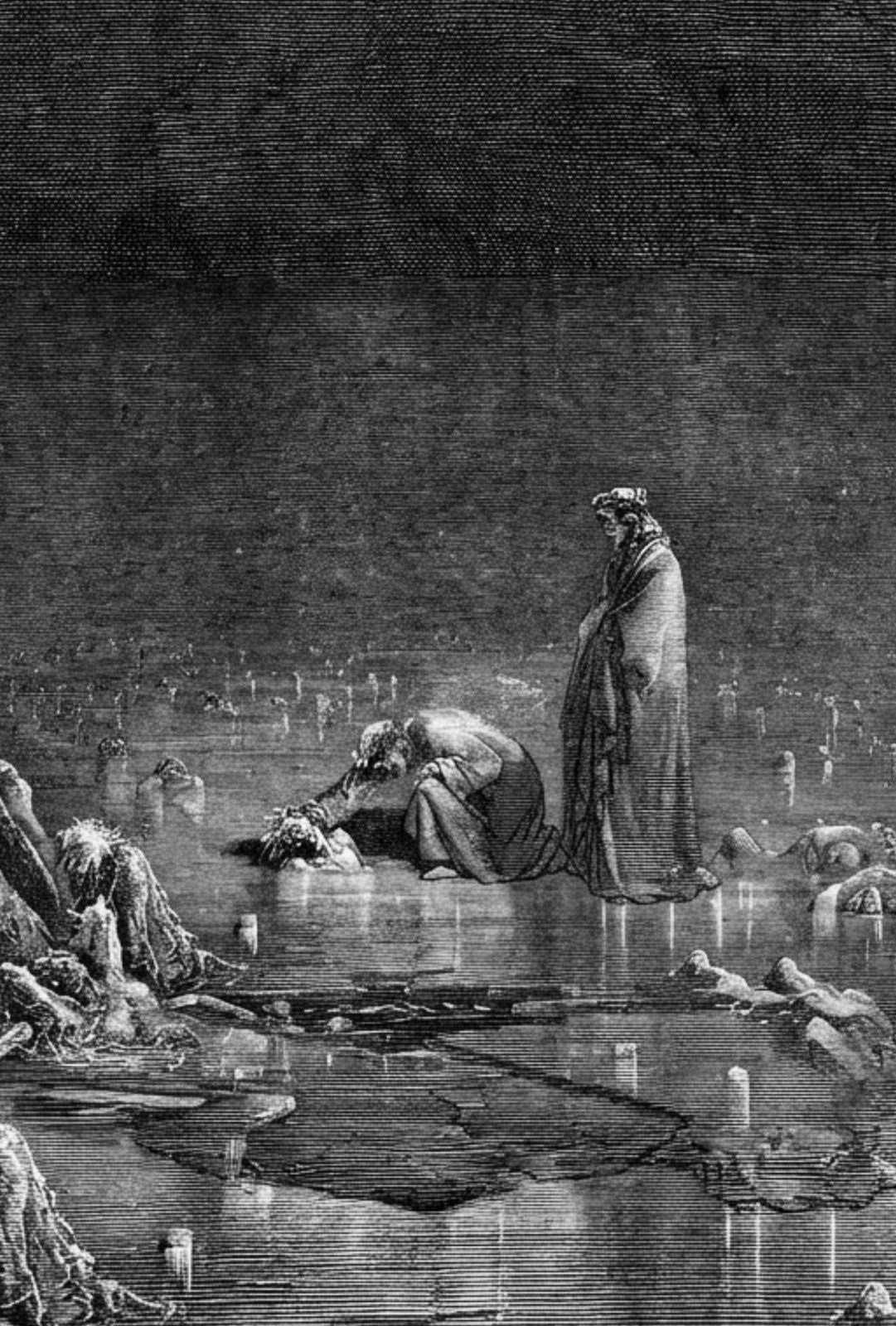
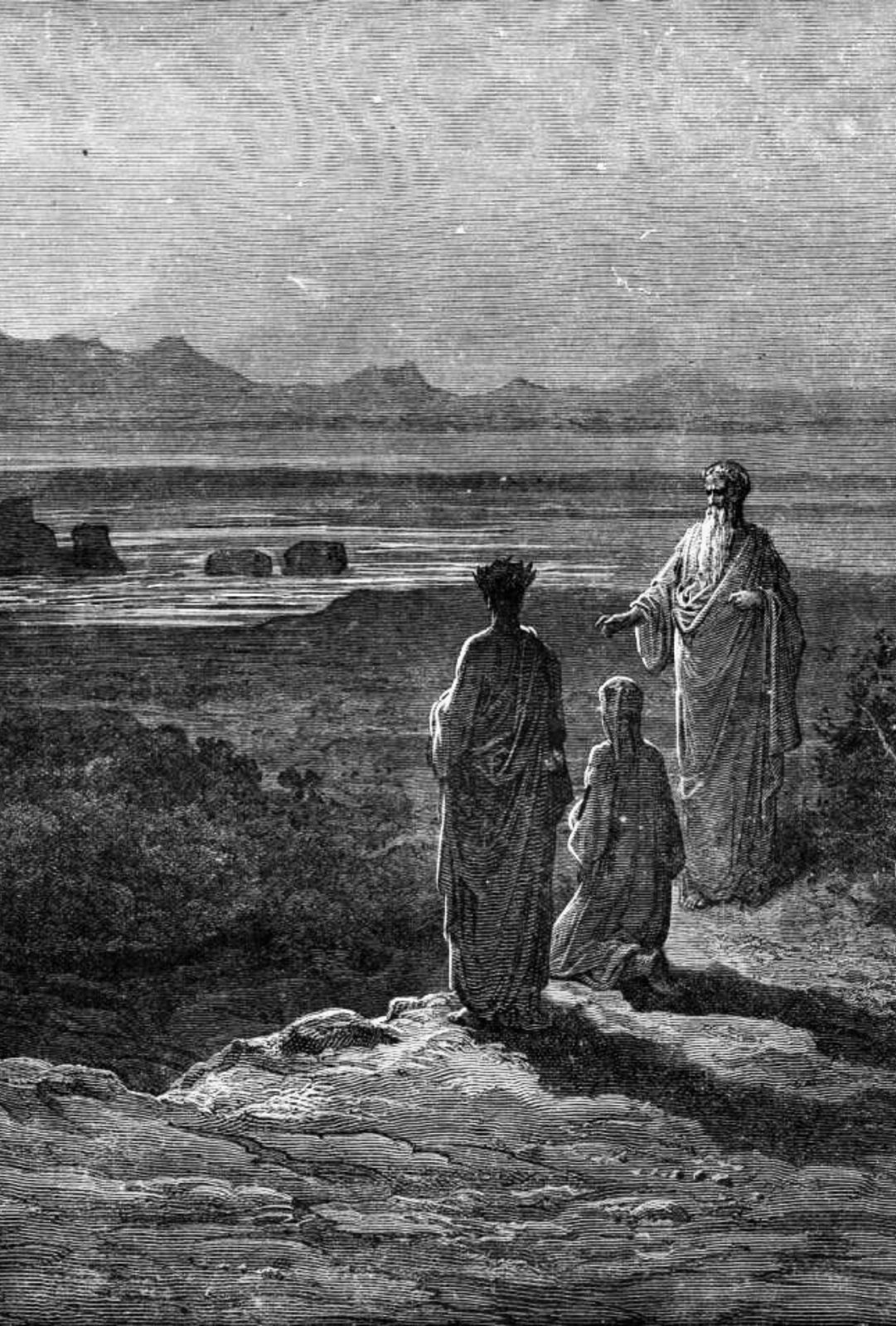
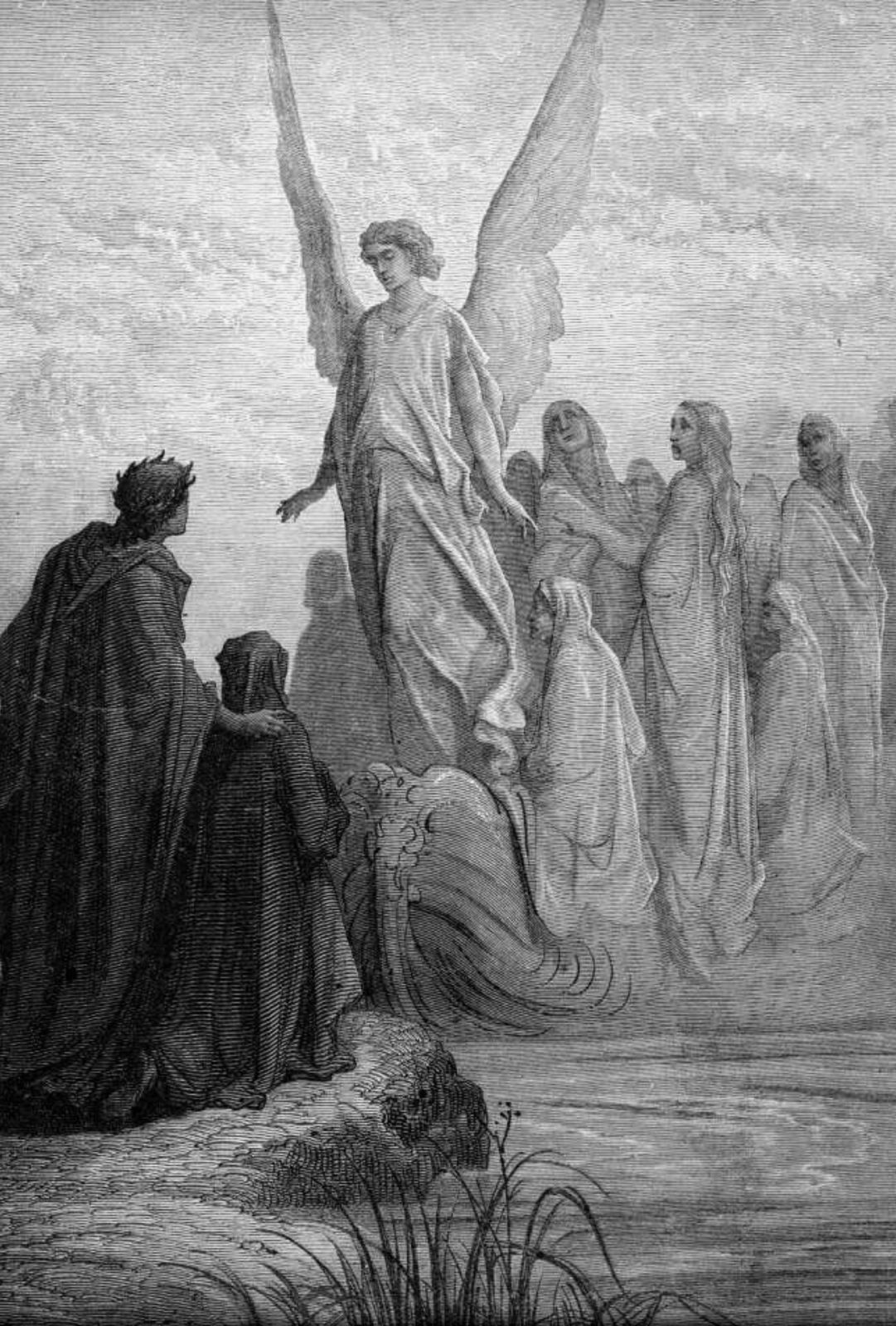
  • A primer, three diagrams, per-book concept pages and historical engravings.
Edition coming soon
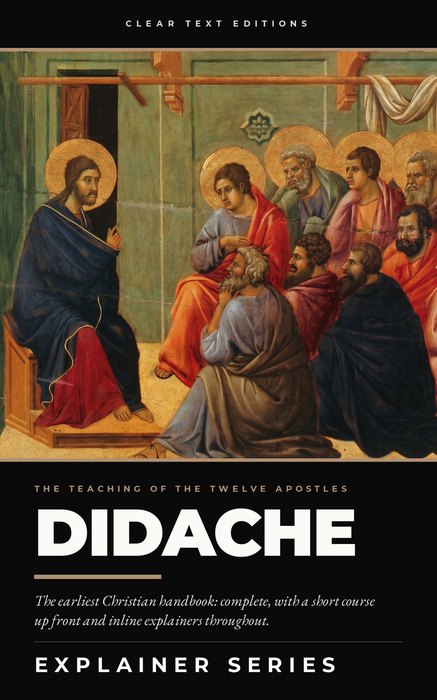
The Didache, Clear Text Editions book cover

Christian texts

The Didache

  • The complete Didache in clear modern English, with its teaching and worship instructions.
  • A short introductory course explains the setting before you begin.
  • Labelled inline explainers sit beside the passages that need them.
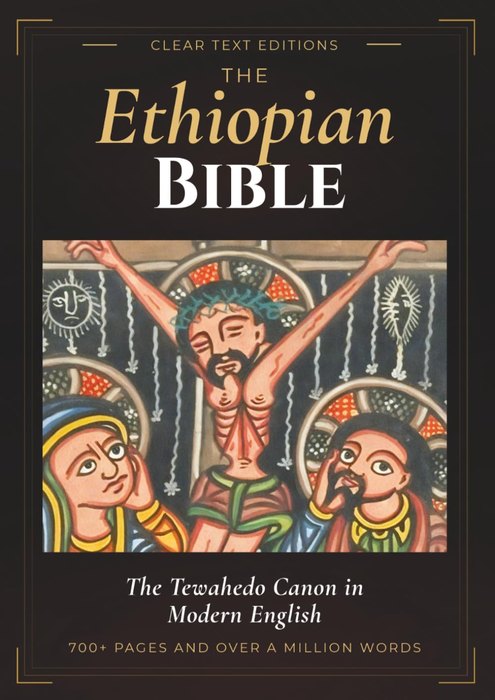
The Ethiopian Bible in English, Clear Text Editions book cover

Christian texts

The Ethiopian Bible in English

  • The 81-book canon, including all eight Books of Church Order.
  • Modern English prose with the source of every text named.
  • Editorial methods and limits are public, including the Josippon reconstruction.
“The only legitimate Ethiopian Bible, in English, currently known”
Aaron New · Read review
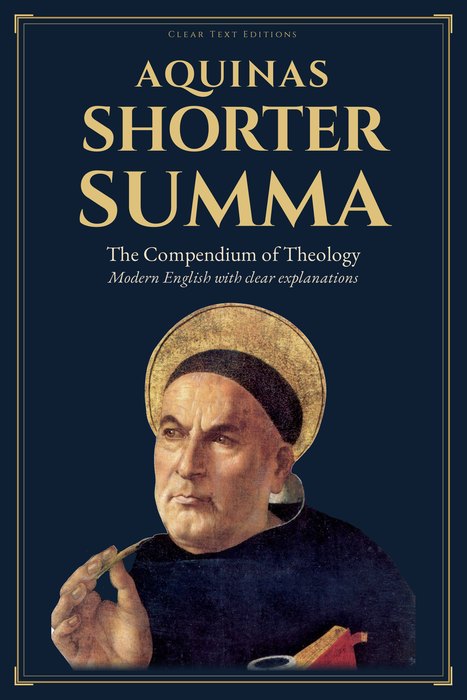
The Shorter Summa, Clear Text Editions book cover

Christian texts

The Shorter Summa

Thomas Aquinas

  • The Compendium of Theology as Aquinas left it, rather than an abridgment of the Summa Theologiae.
  • 255 chapters in modern English with 120 separate explainers.
  • Twenty philosophical background entries support readers new to the vocabulary.

Find your way in

A few doors to open.

Choose a world, an author or an idea. There is more behind every page.

Free, guided reading

A little context changes everything.

Follow an idea from its beginnings. Take a lesson at a time, with the original works close at hand.

7 lessons · introductory

Stoicism: An Introduction

A free two-part course on Stoic philosophy, from Zeno of Citium (c. 334-262 BC) to Marcus Aurelius (121-180). Part One sets out the school's core teaching: what is up to us, virtue as the only good, and the passions. Part Two turns to nature and the logos, the view from above, time and death, and how to read Seneca, Epictetus and the Meditations.

Start learning

Selected reading

Selected reading from the reading room.

A selection from our reading room. Search these featured entries, or follow the complete collection.

Explore the complete starter library

The story behind the shelf

The Fount of Knowledge

Sacred texts, philosophy and the histories of their readers. Find a work, understand its setting, and start reading.

A library should help you find a text and understand what you have found. Who wrote it? Which language survives? Who translated the words in front of you? Is the page the whole work or a short selection? These questions belong beside the reading, not hidden at the back.

Three entrances

Explore Christianity, Judaism and classical philosophy. The collections begin with a small set of real entries, each with an original introduction, a readable excerpt and a named source. They do not yet constitute a complete sacred-texts archive.

Open the library to read the Didache, Ecclesiastes and Meditations samples. Choose a reading path when you want a starting point rather than a list of titles.

Context without a gate

The historical source excerpts and editorial guides are freely readable. Our paid Clear Text Editions books offer a different experience: modern English, selected explanatory support and print or ebook formats, depending on the particular edition. Relevant books appear beside the subjects they help you read.

The Fount of Knowledge is a Clear Text Editions project. We show our sources and boundaries, distinguish excerpts from complete texts, and treat a work's later reception as part of its history rather than a reason to erase where it began.
Browse the complete bookshelf

Christian texts

Jewish literature and reception

Classical philosophy

Questions and answers

What can I read on The Fount of Knowledge?

The Fount of Knowledge begins with introductory collections and sourced excerpts from the Didache, Ecclesiastes and Meditations, with reading guides and relevant book recommendations.
Is every library entry a complete text?

Each Fount library entry states its scope; the initial Didache, Ecclesiastes and Meditations entries are short excerpts, not complete works.

Do I have to buy a book to read the library?

The historical excerpts and editorial introductions on The Fount of Knowledge are freely readable; the related Clear Text Editions books are optional purchases.